Preventive care · San Diego County
One faucet has weak flow? Compare the pattern before blaming water pressure
Learn how to compare one weak faucet with nearby fixtures, separate a local flow restriction from a broader pressure pattern, and prepare a useful San Diego plumbing service request.
By the John Ciampoli Plumbing team
· 3 min read
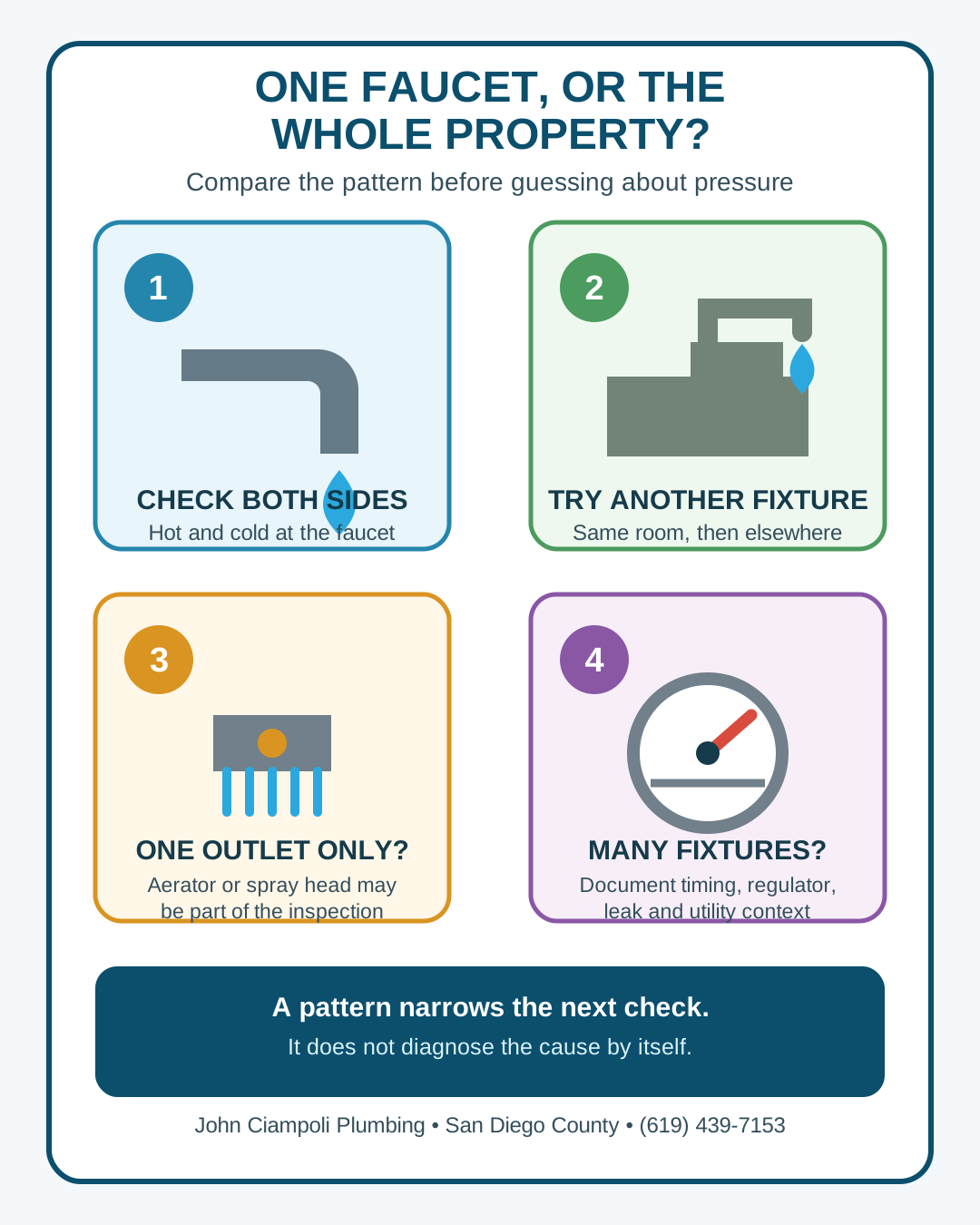
“Low pressure” often describes how a fixture feels, but the useful first question is whether the weak flow affects one outlet, one temperature, one room, or the whole property. That pattern does not identify the failed part by itself. It does help separate a faucet-level inspection from a broader supply, regulator, leak, shared-use, or utility question.
Map the pattern before changing anything
At the affected faucet, compare hot and cold flow and note whether the problem is constant or intermittent. Then check another fixture in the same room and one elsewhere in the property. Record the time of day, whether irrigation or appliances were running, and whether the change followed plumbing work or a utility interruption.
A single weak outlet points the inspection in a different direction than several fixtures changing together. If only the hot side is affected, that is also different from both hot and cold being weak. These observations narrow the next test; they are not proof of the cause.
When one faucet or spray setting is different
EPA WaterSense identifies aerators and similar faucet accessories as devices that control or regulate flow. If one faucet is weak while nearby fixtures behave normally, the aerator, spray head, supply stops, connector, cartridge, or internal passage may be part of a professional inspection. Appearance alone cannot show which component is responsible.
If the manufacturer provides routine cleaning instructions and the part is safely accessible, follow those instructions and return the faucet to its intended configuration. Stop if a part is stuck, damaged, leaking, unfamiliar, or connected to an unsafe condition. Do not enlarge a flow-control opening or remove a required component to chase more flow.
When several fixtures change together
The City of San Diego notes that pressure can vary and that low-pressure reports can involve a property regulator, leaks, shared-meter demand, or temporary utility construction. A broader pattern deserves context: which floors and fixtures are affected, whether the change happens only at peak-use times, and whether the meter moves during a valid no-use check.
Do not adjust a regulator, operate utility equipment, or assume the City or property owner is responsible from one observation. The City can check area pressure when appropriate, while a plumbing evaluation can measure conditions on the property side and inspect components without guessing.
What to report when arranging service
Tell the dispatcher whether hot, cold, or both are affected; which fixtures are normal; when the change began; and whether it is constant or tied to other water use. Mention recent plumbing work, visible leaks, unusual sounds, shared meters, or building access and shutdown requirements. Share the exact address and access details privately.
John Ciampoli Plumbing serves all of San Diego County. Call (619) 439-7153 or email dispatch@ciampoliplumbing.com with the ZIP code, the affected fixtures, and the comparison results. Ask about availability and any visit or diagnostic charges before booking.
Share this article