Preventive care · San Diego County
Water meter moving when everything is off? Use a no-use check before guessing
Learn how San Diego homeowners can perform a no-use water-meter check, what movement can mean, and what details help when arranging leak detection.
By the John Ciampoli Plumbing team
· 3 min read
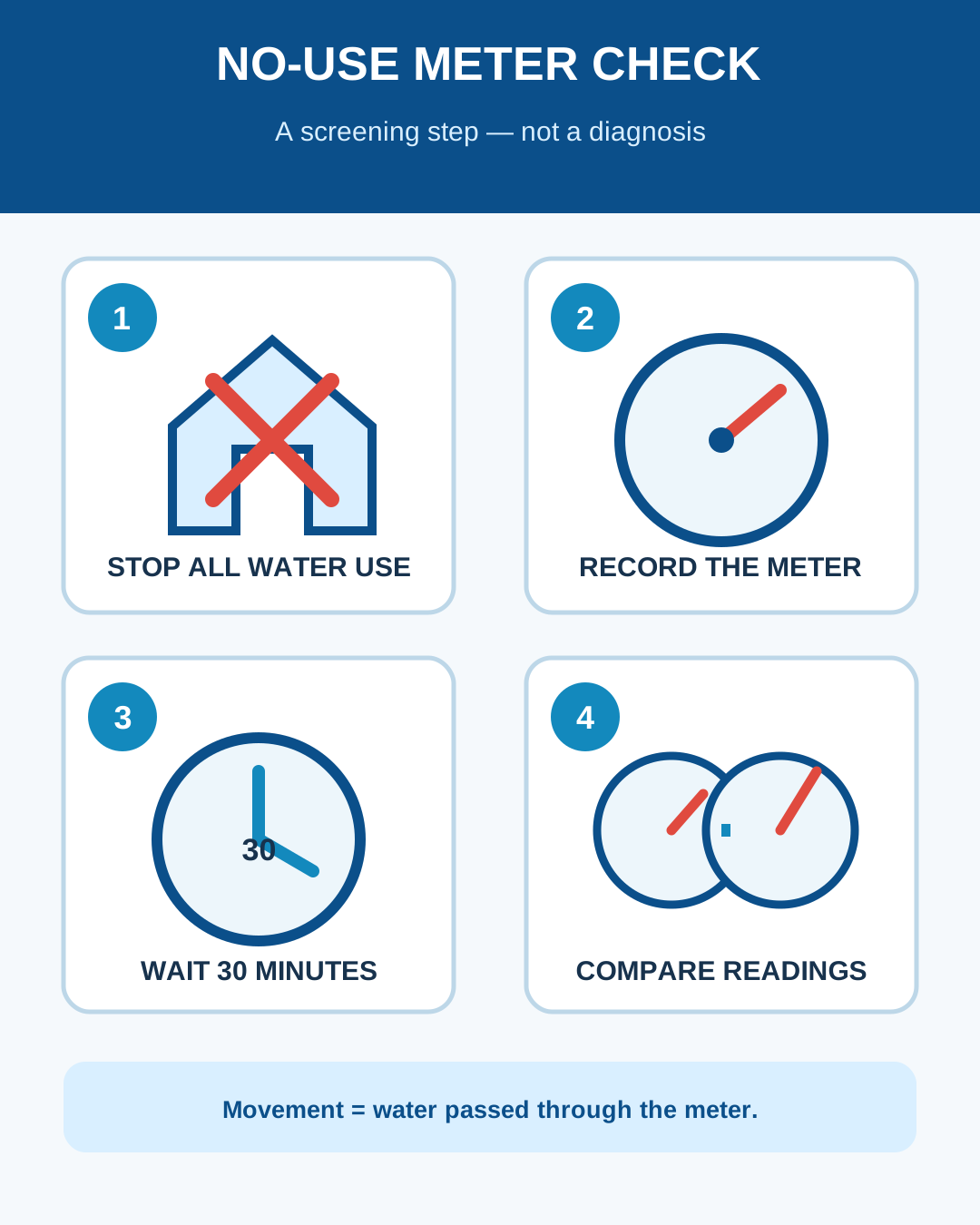
A higher water bill or unexplained meter movement can justify a careful leak check, but the meter cannot identify the source by itself. The City of San Diego Public Utilities Department advises turning off faucets and water-using appliances, recording the meter position, waiting 30 minutes without using water, and comparing the reading. If the dial moves, water passed through the meter during the test; the next step is to rule out expected use and document the pattern rather than guess where a leak is located.
Set up a true no-use period
Confirm that faucets, toilets, irrigation, washing machines, dishwashers, ice makers, water softeners, pool or spa autofill equipment, and other water-using devices will remain inactive. Tell everyone in the property not to use water during the check. A device that cycles automatically can move the meter even when no one opens a faucet.
If the property shares a meter, contains occupied units, has active fire-protection equipment, or cannot safely stop all water use, do not treat this check as conclusive. Record those limits and contact the utility or a plumbing professional for an appropriate test plan.
Record, wait, and compare
Photograph or write down the meter reading and the position of any visible flow indicator without altering the meter. City guidance uses a 30-minute waiting period with no water use. Compare the final reading with the starting point and note whether movement was continuous or intermittent.
Use care around the meter box. The City advises using a tool rather than fingers to lift a cover and checking for insects or animals. Do not damage a seal, force a cover, operate utility equipment, or enter a location that is unsafe or inaccessible.
What movement does—and does not—tell you
A changed reading means water passed through the meter during the test. First recheck whether a toilet refilled, irrigation ran, an appliance cycled, or another expected use occurred. If everything truly remained off, movement can support further leak investigation, but it does not prove whether the source is a toilet, fixture, appliance connection, service line, irrigation system, or concealed pipe.
Standing water in the meter box also does not establish responsibility by appearance alone. The City distinguishes between its side of the meter and the property-owner side. For assistance with a suspected City-side meter leak, use the current Public Utilities contact information rather than altering the meter assembly.
What to share when requesting leak detection
Tell the dispatcher the starting and ending readings, the length of the no-use period, whether the indicator moved continuously or intermittently, and which automatic water users were disabled. Mention damp soil, standing water, audible flow, recent plumbing work, or damage inside the property. Share addresses, account information, and access details privately.
John Ciampoli Plumbing serves all of San Diego County. Call (619) 439-7153 or email dispatch@ciampoliplumbing.com with the ZIP code, a brief description, and the best callback contact. Ask about availability and any visit or diagnostic charges before booking.
Share this article