Drains · San Diego
Drain Keeps Backing Up? What to Ask About a Sewer Camera Inspection
A cleared drain and an inspected pipe answer different questions. Learn what to ask about recurring backups, camera findings and follow-up work in San Diego.
By the John Ciampoli Plumbing team
· 3 min read
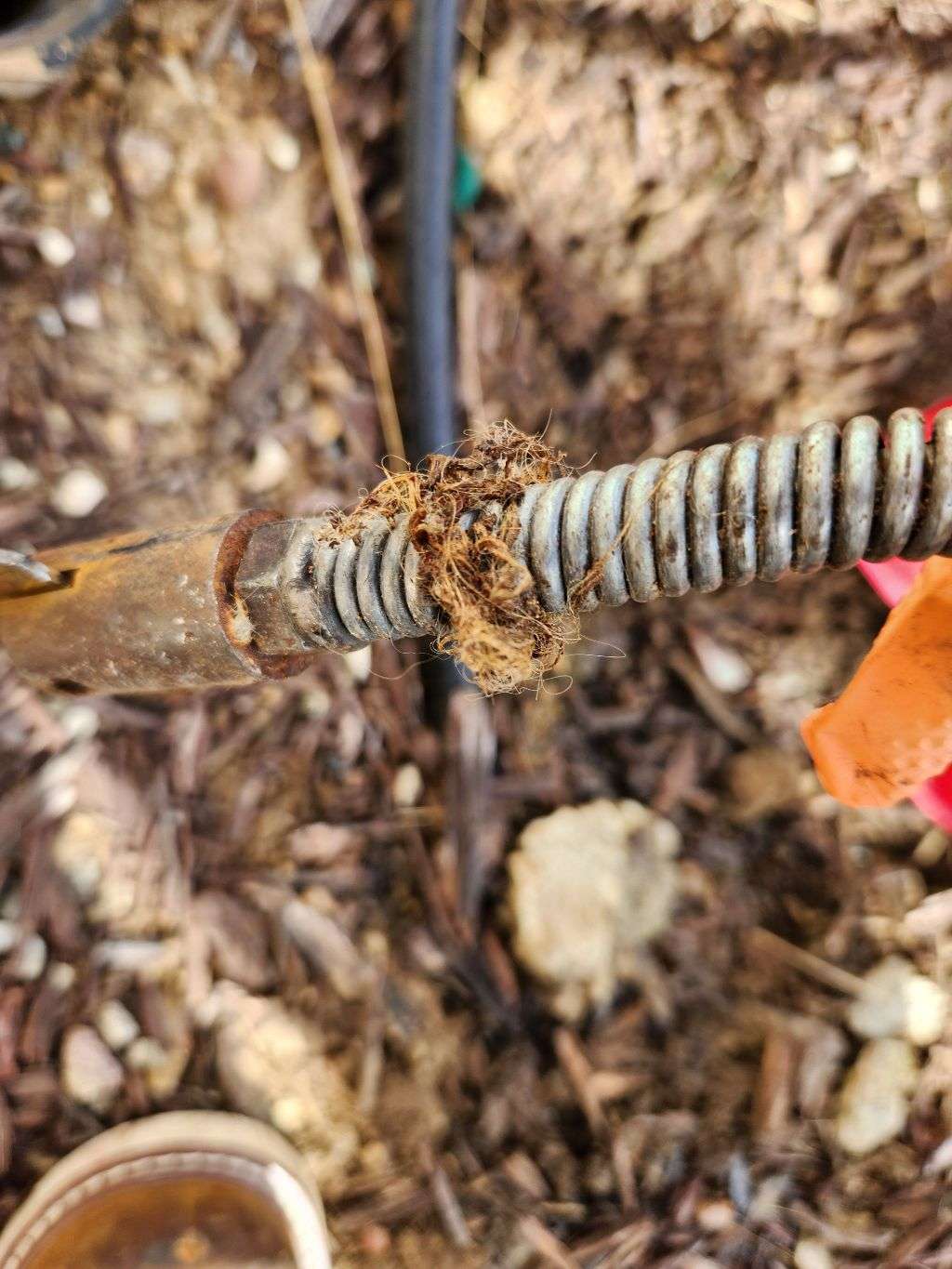
A drain that works after clearing but backs up again deserves a clear follow-up plan. The immediate question is how to restore drainage; the next question is what the accessible pipe actually looks like. Keep those two questions separate when discussing a recurring San Diego drain problem.
Build a short history of the repeat problem
Write down whether the same fixture stops draining each time or several fixtures back up together. Include the interval between visits, any material reported by the technician and how drainage was tested afterward.
If wastewater is rising, stop using the affected fixtures and call for service. Avoid running more water simply to reproduce a backup. Keep people and pets away from contaminated water. The current condition takes priority over collecting a perfect history.
Understand the purpose of the camera
A camera inspection can help document the condition of the accessible pipe interior. The City of San Diego describes televising a sewer lateral after clearing as a way for a licensed plumber to assess the pipe. Whether the camera can travel and see clearly depends on access and conditions.
Ask where the inspection starts, what length or segment was viewed and whether a blockage or standing water limited the view. A recording of one accessible section is not a complete assessment of every drain serving a building.
Connect a recommendation to a documented finding
Ask the technician to identify what was seen and where, then explain the purpose of any proposed cleaning or repair. If a location needs to be confirmed before access work, include that step in the plan. Do not treat every repeat blockage as proof that the entire sewer needs replacement.
In our earlier San Diego toilet story, clearing restored flow and roots were retrieved. Camera inspection and hydrojetting were recommendations for later work. The article does not claim that either follow-up service had already been completed.
See the documented clearing visit and follow-up recommendations
Keep the report useful for the next visit
Request the service date, access location, observed condition, available recording and a description of the proposed scope. Ask what remains unknown and how the result would affect the next decision. A useful report connects evidence to a specific next step.
John Ciampoli Plumbing serves San Diego County. Call (619) 439-7153 or email dispatch@ciampoliplumbing.com to discuss recurring backups. Share prior reports and tell dispatch whether the line is currently backing up; availability and visit charges are confirmed when arranging service.
Share this article