Leaks & repairs · San Diego County
Water Supply Leak or Drain Leak? What to Tell a San Diego Plumber
A wet cabinet or ceiling does not identify the leaking pipe. Learn how timing, affected fixtures and a clear service history help plan the right plumbing assessment.
By the John Ciampoli Plumbing team
· 5 min read
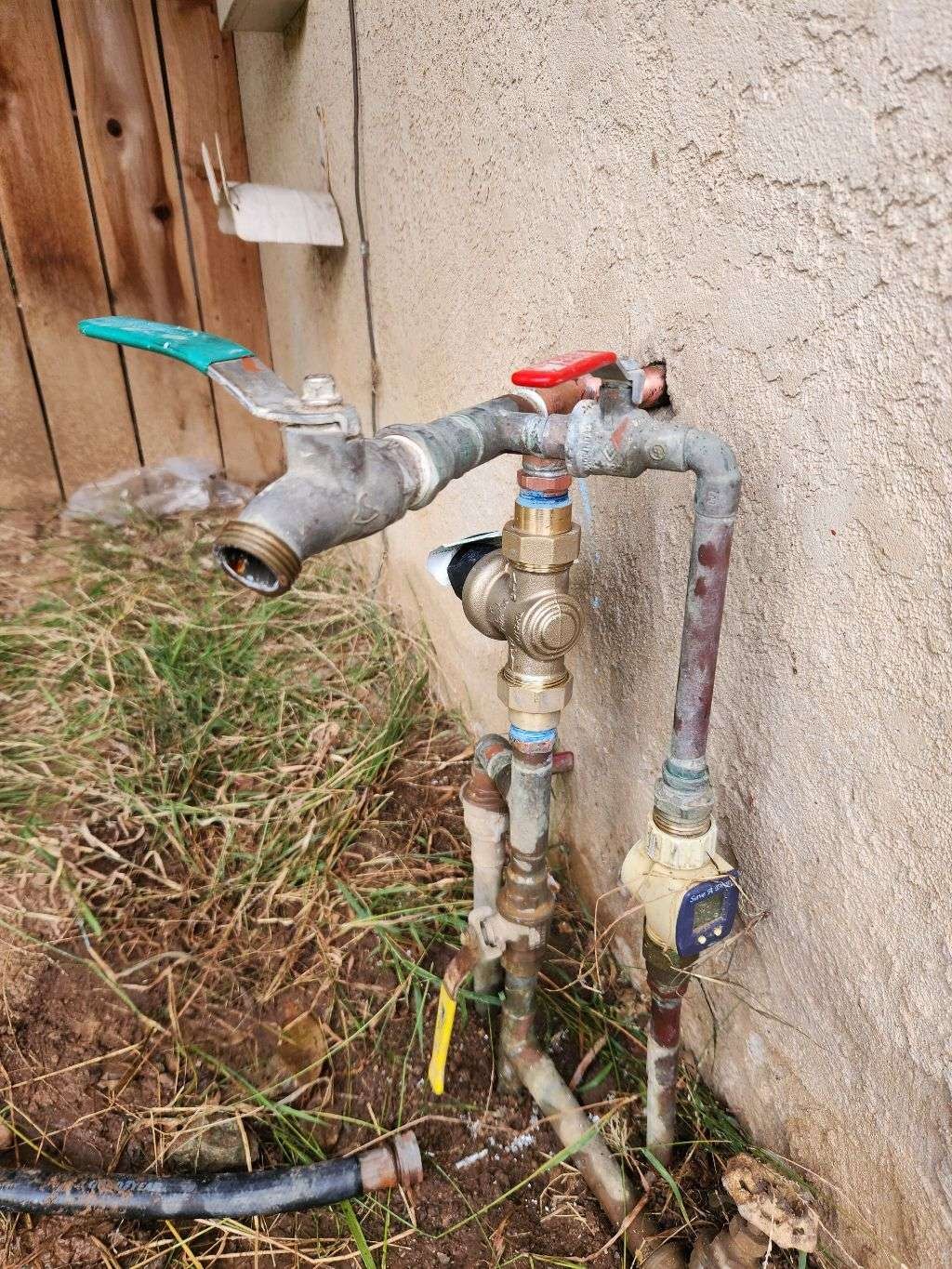
Water under a sink, beside a floor drain or on the ceiling below a bathroom can come from different parts of the plumbing. A water-supply connection, a drain connection and a backed-up waste line need different checks. You do not have to decide which one failed before calling a plumber. A useful first step is to describe when the water appears, what was in use and whether the problem is still active.
Supply pipes and drain pipes do different jobs
Supply plumbing brings water to faucets, toilets, water heaters and connected appliances. A leaking pressurized supply connection can continue losing water even while the nearby faucet is off. Other supply-side leaks occur only when a valve or appliance operates, so timing is a clue rather than a diagnosis.
Drain plumbing carries used water away. A drain connection may leak during fixture use, while a blockage can cause water to rise through a drain or collect in a basin. Report a slow drain, water backing up and moisture outside the pipe as separate observations. More than one condition can be present.
Record the pattern without recreating an active leak
Use what you have already observed. If water is spreading, stop using the affected fixture or appliance rather than running it again to demonstrate the problem. Keep clear of wastewater, wet electrical equipment and a sagging ceiling.
Tell dispatch whether water appeared while a sink drained, after a toilet flushed, when an appliance ran or when everything seemed idle. Note whether one fixture or several are affected, and whether the wet area is below another room. A photo from a dry, safe position can help explain access; it cannot identify the hidden source.
- Where did you first see water, and where is it collecting now?
- Is it dripping continuously or only at certain times?
- Are nearby drains slow, bubbling or backing up?
- What plumbing or water-connected appliances are above or beside the wet area?
- Has any valve, appliance or connection recently been serviced or moved?
What a no-use water-meter check can and cannot show
EPA WaterSense suggests comparing meter readings during a two-hour period with no water use as a way to flag a possible leak. That is appropriate for an unexplained-use concern when there is no active emergency; do not delay service for ongoing damage to finish a meter check.
Automatic irrigation, toilet refilling and appliances can complicate the observation. A changing meter does not locate the loss. A still meter does not establish that a drain connection is sound: a drain may leak only when wastewater passes through it. Keep the readings and timing with your observations instead of treating them as a repair diagnosis.
A Spring Valley ceiling leak came from an appliance supply line
During our documented October 29 Spring Valley visit, water on the downstairs ceiling was traced to a refrigerator supply connection upstairs. The first exposed pipes did not show an active leak at those locations. Continuing the investigation led to the failed connection.
The technician repaired the connection, completed an approved pressure-regulator replacement and recorded no active leaks during final testing. This example shows why the visible water stain and the nearest exposed pipe may not identify the source. The full case separates the repair and testing from ceiling restoration.
A drain can flow again and still need a leak repair
In a separate San Diego commercial visit, our technician cleared a floor-drain stoppage and restored flow. Testing then revealed a leak around the drain housing. Resealing and other nearby repairs were recommendations for follow-up, rather than work documented as completed that day.
When a drain is involved, ask two questions: was the blockage cleared, and were any leaking connections or damaged components repaired? Keep those answers separate in the service record. For sewage backing up from a suspected public sewer problem, contact the sewer provider serving that address; county and city service boundaries are not interchangeable.
Agree on the repair scope and the final checks
Ask which observation or test supports the diagnosis, which connection or pipe needs repair and how it will be reached. Discuss water shutdowns, access openings, compatible parts and who can approve work. Drying, ceiling patching and finish restoration should be identified separately if they are needed.
After the repair, ask what was tested and whether any recommendations remain open. Keep the findings with the earlier service record so a future visit starts with useful evidence. For a rental, HOA or business, identify the person who can coordinate access and any interruption to occupants.
Book leak assessment in Spring Valley, Lemon Grove or elsewhere in San Diego County
Call John Ciampoli Plumbing at (619) 439-7153 and describe any active water loss first. Our office is in Spring Valley, and we serve properties throughout San Diego County. Dispatch confirms availability, arrival arrangements and applicable visit charges.
For planned work, email dispatch@ciampoliplumbing.com with your city, affected fixtures and access requirements. Send exact property and contact details privately. You can request an assessment without choosing between a supply-line repair and drain repair yourself.
Share this article